

Keeping up with travel and tourism news from Louisiana
Provided by AGP
Why swamp tours keep drawing New Orleans visitors
2 hours ago
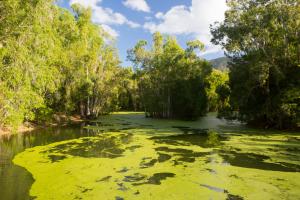
By AI, Created 7:05 PM UTC, May 21, 2026, /AGP/ – Swamp tours remain a steady draw for travelers in Greater New Orleans because they offer close access to Louisiana wetlands, wildlife, and culture just outside the city. Operators say the experience adds nature, history, and environmental context to a typical New Orleans trip.
Why it matters: - Swamp tours give New Orleans visitors a way to see Louisiana’s wetlands, wildlife, and bayou culture beyond the city’s historic neighborhoods and entertainment districts. - The tours also connect tourism with coastal ecology, land loss, and environmental change across South Louisiana.
What happened: - Swamp tours continue to attract visitors to the Greater New Orleans area on the strength of wildlife viewing, scenery, and regional storytelling. - Milton Walker Jr., owner of Louisiana Tour Company in New Orleans, said many travelers want to experience the swamps and wetlands that are part of Louisiana’s identity. - Louisiana Tour Company offers swamp tours, transportation services, and guided tourism experiences for visitors exploring the Greater New Orleans area and surrounding wetlands. - The company’s contact information in the release lists Morgan Thomas at Rhino Digital, LLC, and a Facebook page at social media.
The details: - The wetlands surrounding New Orleans are part of one of the largest coastal ecosystems in the United States. - These areas include cypress trees, marshes, bayous, waterways, and wildlife habitats. - Native species commonly associated with the wetlands include alligators, turtles, birds, fish, snakes, and other wetland animals. - Guided tours often discuss local history, ecosystem changes, hurricane impacts, wildlife behavior, and the role wetlands play in coastal protection. - Tour boats may pass through narrow bayous lined with cypress trees draped in Spanish moss, shallow marshes, and open waterways surrounded by coastal vegetation. - Swamp tours are commonly run by airboats, covered tour boats, or smaller watercraft depending on the environment and tour style. - Airboats are used in shallow marsh areas where depth is limited and vegetation is heavy. - Covered tour boats can provide a slower pace that supports wildlife observation and narration. - Tour guides often cover wetland erosion, hurricane recovery, wildlife habitats, fishing industries, trapping history, Cajun culture, Native American history, and environmental conservation. - Many visitors do not understand the scale and ecological importance of Louisiana’s coastal wetlands until they take a swamp tour. - Wildlife sightings may include alligators, egrets, herons, owls, turtles, raccoons, nutria, wild hogs, and fish species. - Birdwatchers are drawn by coastal and migratory bird populations across Louisiana wetlands. - Photography is another draw, especially at sunrise and sunset when lighting changes across the water and marsh. - Families often add swamp tours to broader New Orleans itineraries because the trips work for multiple age groups. - Some operators provide transportation from downtown hotels or designated pickup points to launch sites outside the city. - Weather can affect scheduling and navigation, including heavy rain, severe storms, fog, high winds, and hurricane activity.
Between the lines: - Swamp tours function as both sightseeing trips and informal environmental education. - The experience contrasts with Bourbon Street, the French Quarter, festivals, restaurants, and nightlife by offering a quieter outdoor setting. - The tours also help make visible the effects of saltwater intrusion, subsidence, levee systems, hurricanes, and other forces driving wetland loss along the Gulf Coast. - Local storytelling about fishing camps, family history, storm experiences, and life along the bayou reinforces how closely Louisiana culture remains tied to waterways.
What’s next: - Swamp tours are likely to remain a standard add-on for visitors who want a broader Louisiana experience beyond New Orleans’ urban core. - Continued tourism interest may keep spotlighting coastal erosion, wildlife habitat, and the need for wetland conservation. - Seasonal conditions will keep shaping what visitors see, from alligator activity in warmer months to changing bird migration patterns across the year.
The bottom line: - Swamp tours remain popular because they package Louisiana’s wildlife, landscape, and culture into a single experience that many New Orleans visitors cannot get in the city itself.
Disclaimer: This article was produced by AGP Wire with the assistance of artificial intelligence based on original source content and has been refined to improve clarity, structure, and readability. This content is provided on an “as is” basis. While care has been taken in its preparation, it may contain inaccuracies or omissions, and readers should consult the original source and independently verify key information where appropriate. This content is for informational purposes only and does not constitute legal, financial, investment, or other professional advice.
Sign up for:
Louisiana Adventurer
The daily local news briefing you can trust. Every day. Subscribe now.
Check Your Email!
We sent a one-time activation link to: .
Confirm it's you by clicking the email link.
If the email is not in your inbox, check spam or try again.
Welcome back!
is already signed up. Check your inbox for updates.